Article
Understanding Astrology: A Comprehensive Guide to the Language of the Stars
Published Feb 23, 2026 · Updated Apr 20, 2026

We have all been there. You are scrolling through your phone, and a notification pops up telling you that because you are a Scorpio, you should avoid conflict today. Or perhaps you have seen a meme about Mercury Retrograde being the reason your laptop died. These snapshots of pop-astrology are fun, but they are often just the surface of a deep and ancient ocean.
To truly understand astrology is to recognize it as a symbolic language. It is a system that uses the movement of the heavens to provide a framework for the human experience. It is not about "fate" in the sense of a pre-written script you cannot change. Instead, it is more like a weather report for the soul. It tells you when the winds are at your back and when you might need to find shelter and reflect.
The Core Philosophy: The Concept of Correspondence
At its heart, Western astrology is built on a single, elegant idea: correspondence. Ancient philosophers described this as "As above, so below". This does not mean the planets are physical forces pushing us around like chess pieces. It means that the universe is a single, integrated system where the macrocosm of the sky reflects the microcosm of our individual lives.
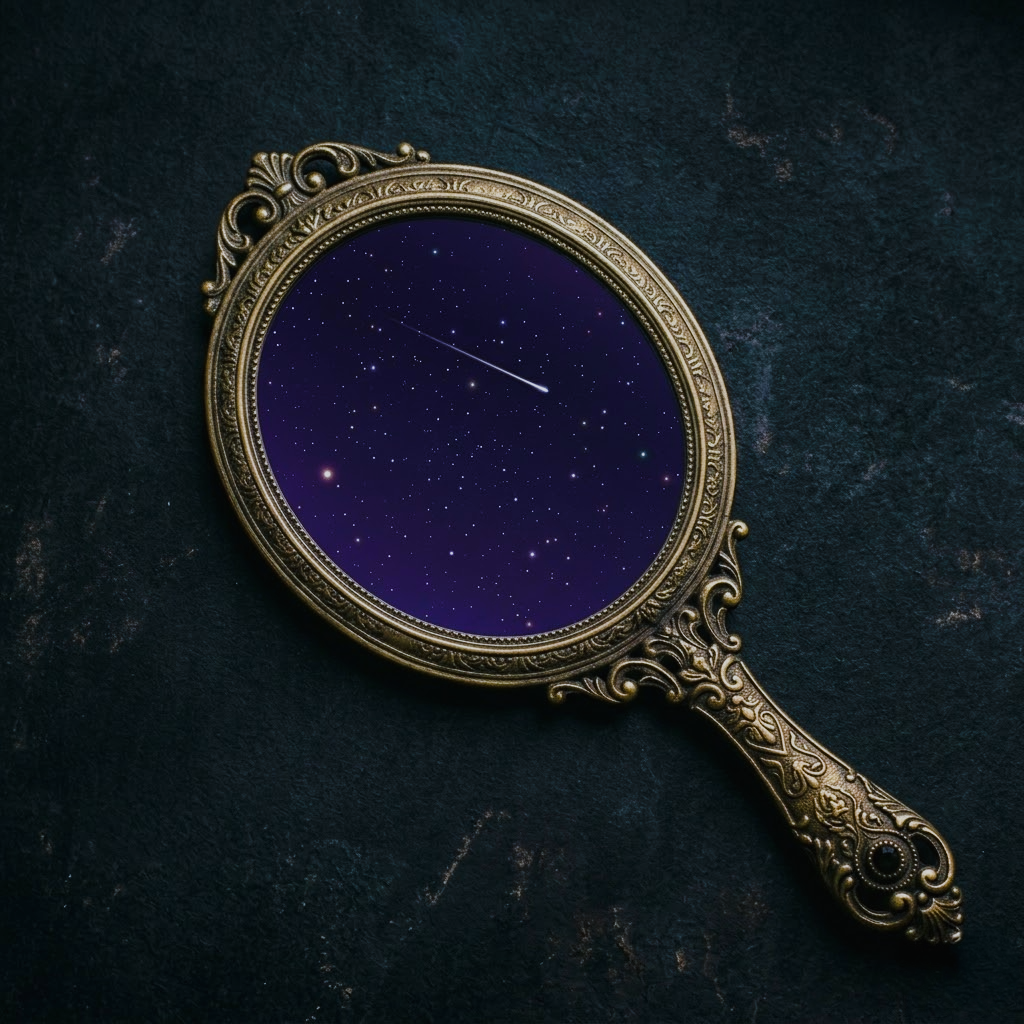
Think of it like a mirror. If you look in a mirror and see that your hair is messy, the mirror did not make your hair messy. It simply reflected the reality so you could choose what to do about it. Astrology works the same way. When we look at the movement of Jupiter or the cycles of the Moon, we are looking at a celestial reflection of the cycles we are already moving through.
The Roots of the Language: A Brief History
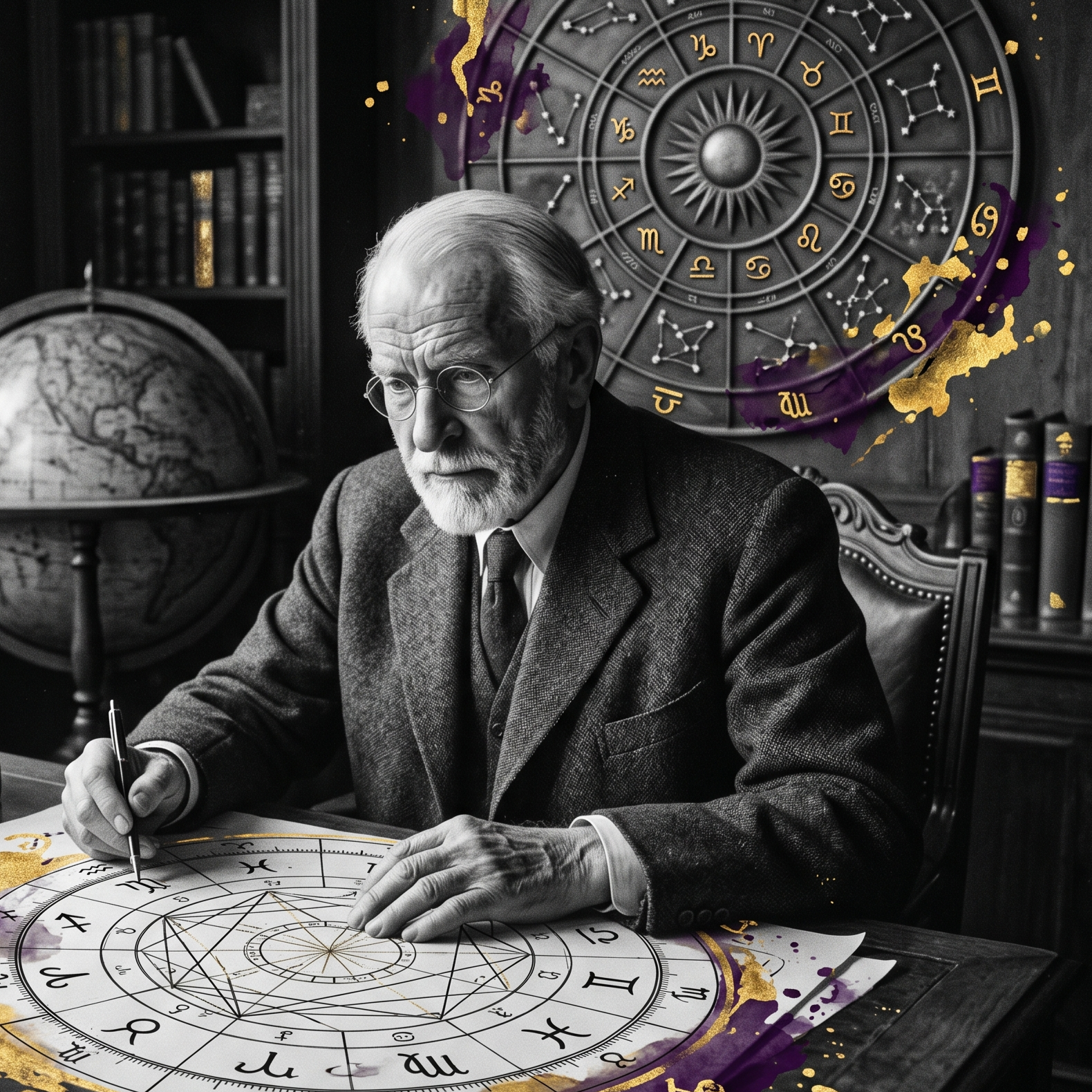
Astrology is one of the oldest intellectual traditions in the world. It began thousands of years ago in Mesopotamia, where the Babylonians first recorded the movement of the planets as omens for their kings. Over centuries, this practice merged with Egyptian geometry and Greek philosophy to create the system of "horoscopic astrology" we use today.
In the 17th century, during the Age of Enlightenment, astrology fell out of favor in the halls of science as the focus shifted to purely physical observations. However, it never truly disappeared. In the early 20th century, the psychologist Carl Jung helped revive the practice by recognizing that the planets and signs are perfect representations of "archetypes": the universal patterns of the human psyche. Today, astrology is experiencing a massive revival as people seek a language to describe their inner lives in an increasingly digital world.
Your Personal Pillars: The Big Three
The most important tool in any astrologer's kit is the Birth Chart. This is a map of the sky at the exact moment and location of your birth. It is unique to you, a "cosmic thumbprint" that outlines the potential of your personality and your life path. We usually begin with the three most important points, often called the Big Three.
The Sun: Your Core Identity
Role: The Sun Sign represents your ego, your basic drive, and your conscious "will".
Impact: If your life were a story, the Sun would be the protagonist. It describes what makes you feel alive.
Read the Full Sun Sign GuideThe Moon: Your Emotional World
Role: The Moon Sign represents your inner world, your instincts, and how you process emotions.
Impact: It tells the story of what you need to feel safe and nurtured. While the Sun is your outward "shining," the Moon is your inward "feeling".
Read the Full Moon Sign GuideThe Rising Sign: Your First Impression
Role: The Rising Sign, or Ascendant, is the sign that was coming up over the horizon when you were born.
Impact: This is the "mask" you wear when you first meet someone: your social personality. It sets the "houses" of your chart.
Read the Full Rising Sign GuideThe Grammar of Astrology: Aspects and Archetypes
If planets are the "actors" in your story, Aspects are the conversations they are having with each other. Aspects are the geometric angles that planets make in your chart, and they determine if your internal committee is working in harmony or struggling with tension.
- Conjunction (0°): When two planets meet. This is a powerful blending of energies where both actors work as one.
- Sextile (60°) and Trine (120°): These are supportive, flowing angles. They represent natural talents and areas where life feels easy or gifted.
- Square (90°) and Opposition (180°): These are tense, challenging angles. They represent the friction and "growing pains" that push us to develop strength and character.
By understanding these "conversations," we can see why a person might feel a conflict between their need for security (Moon) and their drive for independence (Mars). Astrology provides the language to bridge that gap.
Global Wisdom: Cross-Cultural Astrology
Astrology is a universal desire to find meaning in the stars, but different cultures use different maps.
Chinese Astrology: The Twelve Year Cycle
Chinese astrology uses a twelve-year cycle based on the lunar calendar, with each year represented by an animal sign such as the Rat or the Dragon. Unlike Western astrology, this system emphasizes the year you were born. It also incorporates five elements: wood, fire, earth, metal, and water: which blend with each animal sign to add layers of meaning.
Read more about Chinese ZodiacIndian (Vedic) Astrology: The Science of Light
Vedic astrology reads the sky using the sidereal zodiac, which aligns with the physical position of the constellations. It is deeply focused on karma and the soul's journey. This system uses twenty-seven lunar mansions called nakshatras to provide incredibly fine detail about a person's life path.
Read more about Indian ZodiacElemental Balance: The Energy of Your Chart
Before diving into the signs, it helps to understand the "elements" they belong to. They describe the basic temperament or "vibe" of a person.
Fire (Aries, Leo, Sagittarius):The energy of inspiration and action. Fire signs are enthusiastic and creative. They need to feel they are moving toward a goal or spark of passion.
Earth (Taurus, Virgo, Capricorn):The energy of stability and the physical world. Earth signs are practical, sensual, and grounded. They care about results and things they can touch and build.
Air (Gemini, Libra, Aquarius):The energy of communication and ideas. Air signs are intellectual and social. They need mental stimulation and connection.
Water (Cancer, Scorpio, Pisces):The energy of emotion and intuition. Water signs are sensitive and deep. They experience the world through their feelings.
Understanding Your Mix
Most people are not just one element. An astrologer looks at the "elemental balance" of your entire chart. For example, if you have a lot of Fire but very little Earth, you might be full of incredible ideas but struggle to finish the practical steps to make them real.
If you have a lot of Water but little Air, you may feel everything deeply but struggle to explain those feelings with logic. Learning your balance helps you stop trying to "fix" yourself and start working with your natural energy.
The Building Blocks: Elements and Houses
To keep your exploration organized, we have dedicated hubs for the technical details of the zodiac.

The Twelve Signs (The Growth)
The Zodiac is a story of human growth, starting with the "I am" of Aries and ending with the "I am one with everything" of Pisces.

The Twelve Houses (The Stage)
If the planets are the "who" and the signs are the "how," the houses are the "where". Each house represents a specific area of your life, from your physical appearance in the 1st House to your career in the 10th House.
The Planets: Your Internal Committee
In Western astrology, we look at ten primary celestial bodies. Each one governs a different part of your psychology.
The Personal Planets
These affect your daily personality. Mercury governs how you think, Venus governs what you like, and Mars governs your energy.
Read More about the Personal PlanetsThe Social Planets
Jupiter is the planet of growth and luck. Saturn is the planet of structure and discipline.
Read More about the Social PlanetsThe Outer Planets
These move slowly and affect entire generations. Uranus brings innovation, Neptune brings dreams, and Pluto brings transformation.
Read More about the Outer PlanetsThe Power of Timing: Transits and Retrogrades
Astrology is also a tool for understanding time. As the planets move through the sky today, they interact with your birth chart: these are called Transits.
Saturn Return: Around the age of twenty-nine, everyone experiences a period of "growing up" where the universe asks you to take responsibility for your life choices.
Retrogrades: When a planet appears to move backward, its energy turns inward. These are times for review and re-evaluation. Mercury Retrograde is the most famous example.
Why Astrology is Relevant Today
Astrology provides a language for the things that are hard to talk about: our fears, our hidden desires, and our sense of purpose. It encourages Radical Self-Acceptance. When you realize that your stubbornness is actually steady Earth energy, or your daydreaming is creative Water energy, you stop trying to fix yourself and start learning how to use your gifts.
The stars provide the map, but you choose which road to take. Astrology does not take away your free will: it gives you the information you need to use it wisely.